
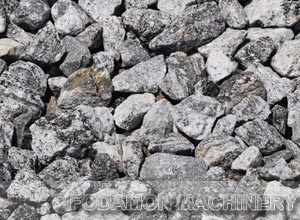
Conglomerate Aggregate Crushing Solution
Conglomerate is a coarse-grained sedimentary rock made of rounded gravel, pebbles, sand particles, and natural cementing materials such as silica, calcium carbonate, clay, or iron oxide. Because its composition can vary greatly from deposit to deposit, conglomerate processing should be designed according to rock hardness, cementing strength, abrasion level, and final aggregate requirements.
In most industrial applications, conglomerate is mainly processed into crushed stone, road aggregate, concrete aggregate, manufactured sand, drainage material, and construction base material. Compared with minerals mainly used for powder production, conglomerate is more suitable for crushing, screening, shaping, and aggregate production lines.
Conglomerate Material Characteristics
- Mixed Pebble Structure – Conglomerate contains rounded gravel and pebbles bonded by natural cementing materials.
- Variable Hardness – Some conglomerate is soft and easy to crush, while quartz-rich conglomerate can be hard and abrasive.
- Good Aggregate Potential – Suitable for road base, concrete aggregate, paving material, and construction stone.
- Suitable for Crushing and Screening – Conglomerate is mainly processed through crushing, screening, shaping, and sand making.
Conglomerate Crushing Process
Conglomerate crushing usually includes primary crushing, secondary crushing, screening, and sometimes shaping or sand making. Large conglomerate blocks are first fed into the jaw crusher for coarse crushing. Then the crushed material is processed by cone crusher or impact crusher depending on hardness and final product requirements.
If the conglomerate contains hard quartz pebbles, cone crusher is usually recommended for secondary crushing. If the material is medium-hard and the final aggregate shape is important, impact crusher or sand making machine can be added to improve particle shape and fine aggregate quality.
Typical Conglomerate Crushing Flow
Raw Conglomerate → Vibrating Feeder → Jaw Crusher → Cone Crusher / Impact Crusher → Vibrating Screen → Finished Aggregate
Conglomerate Sand Making Process
Conglomerate can be processed into manufactured sand when the material composition and local quality requirements are suitable. After crushing and screening, qualified particles can enter the sand making machine for shaping and fine aggregate production.
Typical Conglomerate Sand Making Flow
Crushed Conglomerate → Fine Crushing → Sand Making Machine → Vibrating Screen → Sand Washing Machine → Finished Manufactured Sand
Recommended Equipment for Conglomerate Processing
1. Jaw Crusher for Primary Conglomerate Crushing
The jaw crusher is commonly used as the first-stage crusher for conglomerate. It can handle large rock blocks and reduce them into smaller sizes suitable for secondary crushing and screening.
2. Cone Crusher for Hard Conglomerate
When conglomerate contains hard quartz pebbles or dense cementing materials, the cone crusher is suitable for secondary and fine crushing. It provides stable output size, strong crushing force, and better wear resistance for abrasive materials.
3. Impact Crusher for Aggregate Shaping
The impact crusher can be selected when the conglomerate is medium-hard and better particle shape is required. It helps improve cubic aggregate shape for road base, concrete, paving, and building material applications.
4. Sand Making Machine for Fine Aggregate
The sand making machine can process crushed conglomerate into manufactured sand or shaped fine aggregate. It is suitable for construction sand, concrete sand, road sand, and aggregate production projects.
5. Vibrating Screen for Aggregate Classification
Vibrating screen is used to classify crushed conglomerate into different particle sizes. Oversized material can return to the crusher, while qualified aggregate is collected as final product.
6. Stone Production Line Configuration
For complete quarry or aggregate projects, Fodamon can provide a full stone production line including feeding, crushing, screening, conveying, and sand making equipment according to capacity and final product size.
Applications of Processed Conglomerate
- Road base, highway construction, and pavement aggregate
- Concrete aggregate and general construction stone
- Manufactured sand and fine aggregate production
- Drainage material, foundation backfill, and infrastructure base material
- Landscaping stone, decorative aggregate, and paving material
Conglomerate Aggregate Production Line
A complete conglomerate aggregate production line usually includes vibrating feeder, jaw crusher, cone crusher or impact crusher, vibrating screen, belt conveyor, and optional sand making machine. The final configuration should be selected according to the hardness of the pebbles, cementing strength, clay content, production capacity, and final aggregate size.
For road and concrete aggregate production, particle size distribution and aggregate shape are important. A closed-circuit crushing and screening system can help improve product quality, reduce oversized material, and maintain stable output.
How to Choose a Conglomerate Processing Plant
Choosing a suitable conglomerate processing plant depends on the raw material composition and final product application. If the conglomerate contains hard quartz-rich pebbles, jaw crusher and cone crusher are usually recommended. If the material is medium-hard and better aggregate shape is needed, impact crusher or sand making machine can be added.
Information Needed Before Equipment Selection
- Raw conglomerate feeding size
- Hardness of pebbles and cementing material
- Required final aggregate or sand size
- Expected production capacity per hour
- Application: road aggregate, concrete, paving, drainage, backfill, or manufactured sand
- Moisture content, clay content, and site layout
- Power condition and budget range
FAQ About Conglomerate Processing
Is conglomerate suitable for aggregate production?
Yes. Conglomerate can be processed into road aggregate, concrete aggregate, drainage material, paving stone, and construction base material depending on its hardness and composition.
Which crusher is suitable for conglomerate?
Jaw crusher is suitable for primary crushing. Cone crusher is recommended for hard quartz-rich conglomerate, while impact crusher can be used for medium-hard material and better particle shape.
Can conglomerate be used for manufactured sand?
Yes. After crushing and screening, suitable conglomerate particles can be processed by sand making machine to produce manufactured sand or fine aggregate.
Does conglomerate need grinding?
In most cases, conglomerate is mainly used for crushing, screening, aggregate, and sand making. Grinding is not the main processing direction unless the project has special powder requirements.
What affects the equipment selection for conglomerate?
Pebble hardness, cementing strength, quartz content, clay content, required output size, capacity, and final application all affect crusher selection and plant configuration.
Need a Conglomerate Aggregate Processing Solution?
Tell us your raw conglomerate size, pebble hardness, required final aggregate or sand size, production capacity, and final application. Fodamon can help you design a suitable conglomerate crushing, screening, and sand making solution for quarry, road, concrete, paving, drainage, and construction projects.
Contact Fodamon today to get a customized conglomerate aggregate processing solution.