
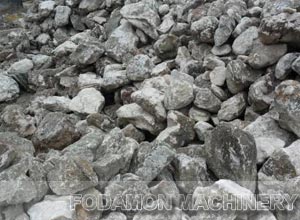
Plaster Powder Production Solution
Plaster powder is an important building material widely used for interior wall finishing, ceiling construction, decorative plaster, repair mortar, gypsum plastering, and dry-mix construction materials. It is usually produced from gypsum-based raw materials through crushing, drying, grinding, calcination preparation, classification, and powder collection.
Unlike natural gypsum processing, plaster production focuses more on final powder quality, fineness control, moisture stability, setting performance, and building material application. Fodamon can provide suitable plaster powder production equipment according to raw material type, moisture content, required fineness, production capacity, and final plaster product requirements.
Plaster Material Characteristics
- Building Material Focus – Plaster powder is mainly used for wall finishing, ceiling work, decorative construction, and dry-mix materials.
- Powder Quality Requirement – Stable fineness and moisture control are important for plaster performance and workability.
- Good Workability – Properly processed plaster powder provides smooth application, good adhesion, and suitable setting behavior.
- Suitable for Grinding and Classification – Raymond mill, ball mill, classifier, and dust collection systems help produce consistent plaster powder.
Plaster Powder Production Overview
Plaster powder production generally starts from gypsum-based raw material preparation. The raw material may need crushing, drying, grinding, classification, and powder collection before it becomes suitable for plaster applications. In some production systems, calcination or heat treatment may also be included depending on the final plaster type.
For building material use, plaster powder should have stable particle size, controlled moisture, clean powder collection, and suitable setting performance. A complete production line helps improve product consistency, reduce dust loss, and support stable downstream packaging or mixing.
Typical Plaster Powder Production Flow
Gypsum-Based Raw Material → Crushing → Drying → Grinding Mill → Classifier → Dust Collection → Finished Plaster Powder
Recommended Equipment for Plaster Powder Production
1. Hammer Crusher for Raw Material Preparation
The hammer crusher can be used for crushing soft and brittle gypsum-based raw materials before drying or grinding. It helps reduce raw material size and improve grinding efficiency.
2. Rotary Dryer for Moisture Control
The rotary dryer is useful when the raw material moisture is high. Proper drying helps improve grinding efficiency, prevent material sticking, and stabilize final plaster powder quality.
3. Raymond Mill for Plaster Powder Grinding
The Raymond mill is commonly used for plaster powder production. It can produce medium-fine powder with stable fineness and is suitable for wall plaster, decorative plaster, gypsum plaster, and dry-mix construction materials.
4. Ball Mill for Fine Powder Production
The ball mill can be selected when finer plaster powder or larger continuous grinding capacity is required. It can work with classifiers for more precise particle size control.
5. Classifier and Dust Collection System
The classifier controls final powder fineness, while the dust collector improves powder recovery and working environment. These systems are important for plaster powder consistency and clean plant operation.
Plaster Powder Applications
Plaster powder is mainly used in construction and interior decoration. Different plaster products may require different fineness, setting time, whiteness, moisture level, and additive compatibility.
- Interior Wall Plaster – Used for wall leveling, surface finishing, and smooth interior construction.
- Ceiling and Decorative Plaster – Suitable for ceiling decoration, molding, architectural ornament, and decorative wall systems.
- Dry-Mix Mortar Materials – Can be used in dry-mix plaster, repair mortar, and construction finishing materials.
- Repair and Patch Materials – Used for repairing cracks, holes, and uneven wall surfaces.
- Gypsum-Based Building Products – Used in plaster blocks, gypsum components, and related construction products.
Grinding and Fineness Control for Plaster Powder
Grinding fineness directly affects plaster powder quality. If the powder is too coarse, the final plaster may have poor surface smoothness and lower workability. If the powder is too fine, production cost may increase and water demand may change. Therefore, proper mill selection and classification are important.
Raymond mill is suitable for many standard plaster powder applications, while ball mill systems can be used for finer powder or larger capacity production. Fodamon can help match the grinding system with the required plaster product standard.
Moisture Control and Drying in Plaster Production
Moisture control is important for plaster powder production. Excessive moisture can cause feeding difficulty, sticking, unstable grinding, poor storage stability, and packaging problems. Rotary dryer can reduce moisture before grinding and help maintain smooth production.
The drying system should be selected according to raw material moisture, required final moisture, production capacity, heat source, and site layout. Proper drying also helps improve powder flowability and final product consistency.
Plaster Powder Production Line Design
A complete plaster powder production line should consider crushing, drying, grinding, classification, powder collection, storage, and packaging. The equipment layout should reduce dust loss, improve production efficiency, and maintain stable powder quality.
For small and medium production lines, hammer crusher, rotary dryer, Raymond mill, classifier, and dust collector can form a practical system. For larger plants, ball mill, advanced classification system, silo storage, and automatic packaging equipment can be added according to production demand.
How to Choose a Plaster Powder Production Plant
Choosing a suitable plaster powder production plant depends on raw material type, feeding size, moisture content, required powder fineness, production capacity, final product use, and packaging requirements. A suitable equipment configuration can reduce energy consumption, improve product consistency, and support stable long-term production.
Information Needed Before Equipment Selection
- Raw material type and feeding size
- Raw material moisture content
- Required final powder fineness
- Expected production capacity per hour
- Final application: wall plaster, decorative plaster, ceiling material, dry-mix mortar, or repair material
- Drying requirement and heat source
- Plant layout, power condition, storage, and packaging requirements
FAQ About Plaster Powder Production
What is plaster powder mainly used for?
Plaster powder is mainly used for interior wall finishing, ceiling decoration, gypsum plastering, decorative plaster, repair materials, dry-mix mortar, and gypsum-based building products.
Which mill is suitable for plaster powder production?
Raymond mill is commonly used for standard plaster powder production. Ball mill can be selected when finer powder or larger continuous production capacity is required.
Does plaster raw material need drying before grinding?
If the raw material moisture is high, drying is recommended before grinding. Proper drying helps prevent sticking, improve grinding efficiency, and stabilize final powder quality.
Which crusher is used before plaster grinding?
Hammer crusher is commonly used for soft and brittle gypsum-based raw material preparation before drying and grinding.
What affects plaster powder quality?
Raw material quality, moisture content, grinding fineness, classification accuracy, drying condition, and powder collection efficiency all affect final plaster powder quality.
Need a Plaster Powder Production Solution?
Tell us your raw material type, moisture content, required powder fineness, production capacity, and final plaster application. Fodamon can help you design a suitable plaster powder production line with crushing, drying, grinding, classification, and dust collection equipment.
Contact Fodamon today to get a customized plaster powder production solution.