
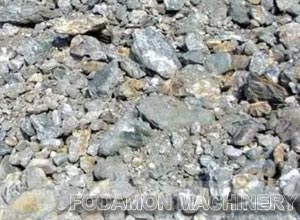
Fluorite Beneficiation Processing Solution
Fluorite, also known as fluorspar, is an important non-metallic mineral mainly composed of calcium fluoride (CaF₂). It is widely used in metallurgy, fluorine chemical industry, aluminum smelting, steelmaking, ceramics, glass production, welding materials, and chemical processing. Depending on grade and purity, fluorite may be processed into acid-grade fluorite, metallurgical-grade fluorite, or ceramic-grade fluorite products.
Fluorite processing usually includes crushing, grinding, classification, flotation beneficiation, dewatering, and concentrate recovery. Because fluorite ore often occurs together with quartz, calcite, barite, and other gangue minerals, beneficiation is important for improving concentrate grade and product quality. Fodamon can provide customized fluorite crushing, grinding, screening, conveying, and beneficiation solutions according to ore characteristics and production requirements.
Fluorite Ore Characteristics
- Important Industrial Mineral – Fluorite is widely used in fluorine chemical industry, metallurgy, ceramics, and glass production.
- Associated Gangue Minerals – Fluorite ore often contains quartz, calcite, barite, and other impurities requiring beneficiation.
- Suitable for Beneficiation Processing – Crushing, grinding, flotation, and classification help improve fluorite concentrate grade.
- Complete Processing Line Required – Feeding, screening, conveying, grinding, and flotation systems are important for stable plant operation.
Fluorite Beneficiation Overview
Fluorite beneficiation generally starts with crushing and screening. Large fluorite ore is reduced by jaw crusher into smaller particles suitable for grinding. After grinding, the material enters classification and flotation systems to separate fluorite concentrate from gangue minerals.
The final concentrate quality depends on ore composition, grinding fineness, flotation performance, and classification efficiency. A well-designed beneficiation plant helps improve fluorite recovery rate, concentrate grade, and downstream industrial value.
Typical Fluorite Beneficiation Flow
Raw Fluorite Ore → Vibrating Feeder → Jaw Crusher → Vibrating Screen → Ball Mill → Classification → Flotation → Dewatering → Fluorite Concentrate
Recommended Equipment for Fluorite Processing
1. Vibrating Feeder for Stable Ore Feeding
The vibrating feeder is used to feed raw fluorite ore evenly into the crushing system. Stable feeding helps improve crusher efficiency, reduce equipment wear, and maintain continuous plant operation.
2. Jaw Crusher for Primary Fluorite Crushing
The jaw crusher is commonly used for primary crushing of fluorite ore. It reduces large ore rocks into smaller sizes suitable for screening and grinding preparation.
3. Vibrating Screen for Particle Classification
The vibrating screen is used to classify crushed fluorite particles by size. Oversized particles can return to the crusher, while qualified material enters the grinding circuit.
4. Belt Conveyor for Material Transport
The belt conveyor is widely used in fluorite processing plants to transport ore between crushing, screening, grinding, flotation, and storage systems. Proper conveying design helps improve plant efficiency and reduce labor intensity.
5. Ball Mill for Fluorite Grinding
The ball mill is one of the core machines in fluorite beneficiation plants. Grinding helps liberate fluorite particles from gangue minerals before flotation and concentrate recovery.
6. Classification System for Grinding Control
Classification systems help control grinding fineness and improve flotation efficiency. Oversized particles can return to the ball mill for further grinding, while qualified particles enter beneficiation stages.
Fluorite Flotation Beneficiation
Flotation is one of the most common beneficiation methods for fluorite ore. After grinding and classification, flotation separates fluorite concentrate from quartz, calcite, barite, and other impurities by using chemical reagents and flotation equipment.
The flotation process should be adjusted according to ore composition, concentrate grade requirements, and final industrial use. Proper grinding fineness and stable slurry preparation are important for improving fluorite recovery and concentrate quality.
Applications of Fluorite Concentrate
- Acid-grade fluorite for fluorine chemical industry and hydrofluoric acid production
- Metallurgical-grade fluorite for steelmaking and aluminum smelting
- Ceramic and glass manufacturing materials
- Welding materials and industrial flux applications
- Chemical processing and fluorine-related industrial products
Major Fluorite Resources Around the World
Fluorite deposits are distributed in many mining regions around the world. Important fluorite resources can be found in China, Mexico, Mongolia, South Africa, Spain, Russia, Vietnam, and several Central Asian countries. China is one of the largest fluorite producers and consumers globally.
Different fluorite deposits vary in purity, gangue composition, calcium fluoride content, and beneficiation difficulty. Therefore, fluorite processing plants should be designed according to actual ore conditions and concentrate requirements.
Fluorite Grinding and Classification
Grinding and classification are important stages in fluorite beneficiation. Proper grinding helps liberate fluorite particles from gangue minerals, while classification controls particle size before flotation.
If grinding is too coarse, fluorite recovery may decrease. If grinding is too fine, flotation performance may also be affected. Therefore, stable grinding and classification systems help improve concentrate grade and beneficiation efficiency.
How to Choose a Fluorite Beneficiation Plant
Choosing a suitable fluorite beneficiation plant depends on ore grade, gangue minerals, feeding size, grinding fineness, required concentrate quality, production capacity, and final industrial application. Crushing, feeding, screening, conveying, grinding, classification, and flotation systems should be matched according to ore characteristics.
Information Needed Before Equipment Selection
- Raw fluorite ore feeding size
- Ore grade and gangue mineral composition
- Required fluorite concentrate grade
- Expected processing capacity per hour
- Grinding fineness requirement
- Application: acid-grade, metallurgical-grade, ceramic-grade, or chemical-grade fluorite
- Plant layout, water condition, and power condition
FAQ About Fluorite Processing
What is fluorite mainly used for?
Fluorite is mainly used in fluorine chemical industry, hydrofluoric acid production, metallurgy, steelmaking, ceramics, glass manufacturing, and welding materials.
Why does fluorite ore need beneficiation?
Fluorite ore often contains quartz, calcite, barite, and other gangue minerals. Beneficiation helps improve fluorite concentrate grade and industrial value.
Which mill is suitable for fluorite grinding?
Ball mill is commonly used for fluorite grinding because it helps liberate fluorite particles before flotation beneficiation.
Why are vibrating feeder and vibrating screen important?
Vibrating feeder provides stable feeding to crushers, while vibrating screen classifies crushed ore particles before grinding. Both systems help improve plant efficiency and stable operation.
What equipment is included in a fluorite beneficiation plant?
A typical fluorite beneficiation plant may include vibrating feeder, jaw crusher, vibrating screen, belt conveyor, ball mill, classifier, flotation system, dewatering equipment, and concentrate storage systems.
Need a Fluorite Beneficiation Processing Solution?
Tell us your fluorite ore size, ore grade, gangue mineral condition, required concentrate quality, processing capacity, and final application. Fodamon can help you design a suitable fluorite crushing, grinding, screening, conveying, and beneficiation processing plant.
Contact Fodamon today to get a customized fluorite beneficiation solution.